Adhesive tapes are indispensable in industries ranging from automotive to crafting. Two popular types are adhesive transfer tapes and double-sided tapes, each offering distinct features for various applications. Choosing the right tape depends on factors such as precision, strength, and surface compatibility. In this article, we’ll explore the differences, benefits, and drawbacks of adhesive transfer tape versus double-sided tapes to help you make an informed decision.
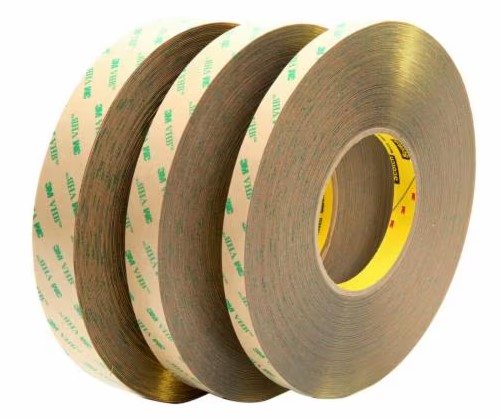
Adhesive transfer tape consists solely of a layer of adhesive coated onto a liner. Unlike traditional tapes, it has no backing material. This makes it incredibly lightweight and versatile, particularly for applications that require precise adhesion without added bulk. To apply, an applicator tool is typically used to transfer the adhesive from the liner to the target surface.
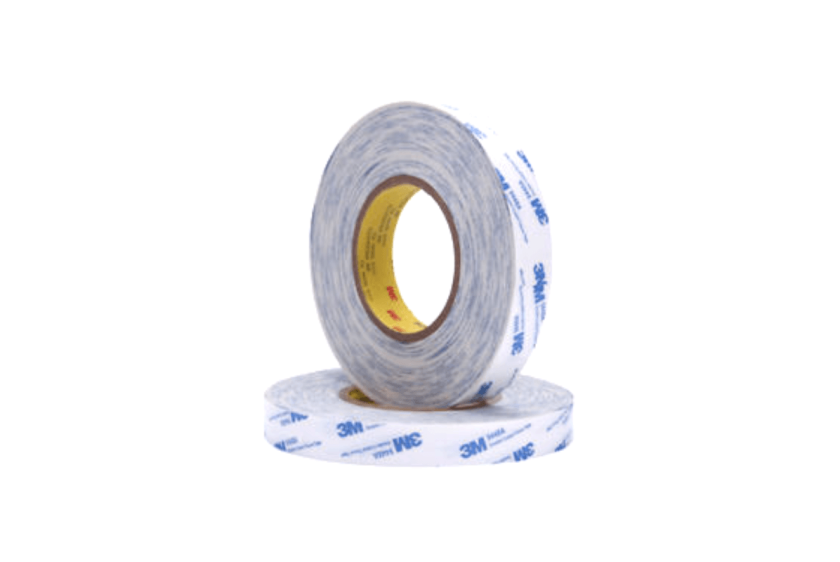
Double-sided tapes consist of adhesive layers on both sides of a backing material, such as foam, paper, or fabric. These tapes are commonly used for bonding two surfaces together and provide a sturdy connection suitable for a variety of environments and applications.
| Feature | Adhesive Transfer Tape | Double-Sided Tape |
|---|---|---|
| Structure | Adhesive layer without backing | Adhesive on both sides of a backing material |
| Thickness | Ultra-thin | Thicker, depending on the backing material |
| Application | Requires an applicator for precise placement | Can be applied manually |
| Strength | Ideal for lightweight bonding | Suitable for heavy-duty bonding |
| Residue | Less likely to leave residue | May leave residue when removed |
1. Thin and Lightweight for Precise Applications: Its ultra-thin profile makes it ideal for applications that require a seamless and clean finish, such as attaching transparent materials or delicate components.
2. Excellent for Bonding Irregular Surfaces: Without a backing material, adhesive transfer tape conforms to uneven surfaces, ensuring a strong bond even on textured materials.
3. Customizable Lengths for Minimal Waste: Adhesive transfer tapes can be trimmed to exact sizes, reducing waste and maximizing efficiency.
1. Requires Applicator Tools for Accuracy: Proper application often necessitates a dispenser or applicator, which can be inconvenient for quick tasks.
2. Limited Durability for Heavy-Duty Tasks: While great for lightweight bonding, it may not hold up under significant weight or stress.
1. Versatile and Easy to Use Without Tools: Double-sided tapes are user-friendly and can be applied manually, making them suitable for both professional and DIY projects.
2. Stronger Adhesive for Heavy-Duty Applications: Their durability and strength make them ideal for securing heavier objects or materials like metal, glass, and wood.
3. Available in Foam and Fabric Options for Cushioning: Double-sided tapes with foam or fabric backings offer cushioning and gap-filling capabilities, perfect for automotive or industrial uses.
1. Bulkier Than Adhesive Transfer Tape: The added backing material can make double-sided tapes less suitable for applications that demand a thin, inconspicuous bond.
2. May Leave Residue When Removed: Depending on the adhesive type, removal can leave sticky residue, requiring additional cleanup.
Choosing between adhesive transfer tape and double-sided tape depends on your specific requirements:
If you frequently work on diverse projects, having both types on hand ensures you’re equipped for a wide range of applications.
Adhesive transfer tapes and double-sided tapes each bring unique advantages and drawbacks to the table. While adhesive transfer tape excels in precision and lightweight bonding, double-sided tape provides strength and versatility for more demanding tasks. Understanding their differences ensures you choose the right tool for the job, maximizing both efficiency and effectiveness.
For high-quality adhesive solutions tailored to your needs, explore our range of tapes today! At VST, we offer both adhesive transfer tapes and a wide array of double-sided tapes, make sure to check them out!