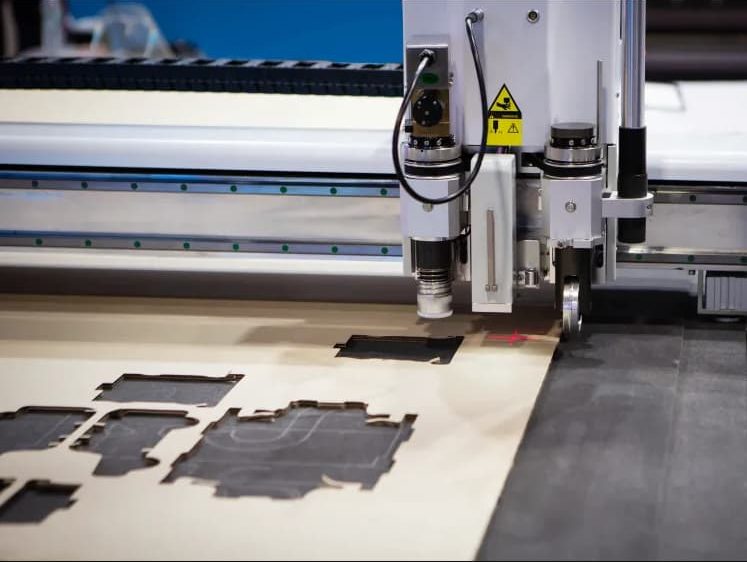
Die cutting is an essential process used in countless industries, offering the precision and efficiency needed to create custom shapes and components from a variety of materials. From automotive parts and gaskets to adhesive tapes, labels, and packaging materials, die-cut products are all around us, quietly playing a crucial role in our daily lives. Whether you’re driving a car, opening a package, or using medical patches, there’s a good chance die-cut products are involved.
This article will dive into the world of die cutting, exploring its processes, benefits, applications, and how it compares to other cutting methods. If you’re curious about how this versatile technique works and why it’s so widely used, keep reading.
At its core, die cutting is the process of using a specialized machine and a custom-designed cutting tool (called a die) to cut materials into specific shapes. Think of it as a highly advanced cookie-cutter, capable of creating intricate designs and exact dimensions.
The purpose of die cutting is to produce precise and uniform pieces for various applications, such as industrial gaskets, custom labels, and insulation materials. Unlike hand-cutting or laser cutting, die cutting excels in high-volume production while maintaining consistency and accuracy.
Die cutting comes in several variations, each designed for specific needs and applications:
This method uses a flatbed press and is ideal for cutting thicker materials such as foam, rubber, or heavy cardstock. Flatbed die cutting is known for its high precision and suitability for smaller production runs.
A faster and more efficient option for high-volume production, rotary die cutting involves a cylindrical die that rotates to cut materials. It’s widely used in industries requiring quick turnaround times, such as label manufacturing and packaging.
This method eliminates the need for physical dies, using lasers to cut materials with extreme precision. It’s perfect for intricate designs, prototypes, or materials that may be difficult to handle with traditional methods.
Without the need for physical dies, digital die cutting is a flexible solution for short production runs or customizations. It’s ideal for businesses requiring small batches or rapid design changes.
Die cutting is a versatile process that can handle a wide range of materials, including:
Die-cutting offers unique advantages that make it the preferred choice for many industries:
Die cutting ensures that every product is cut to exact specifications, maintaining consistency across large production runs.
This process is cost-effective for producing large quantities, reducing overall production costs.
Die cutting supports flexible designs, allowing businesses to create products tailored to their specific needs and branding.
By optimizing material use, die cutting minimizes waste, making it an environmentally friendly option.
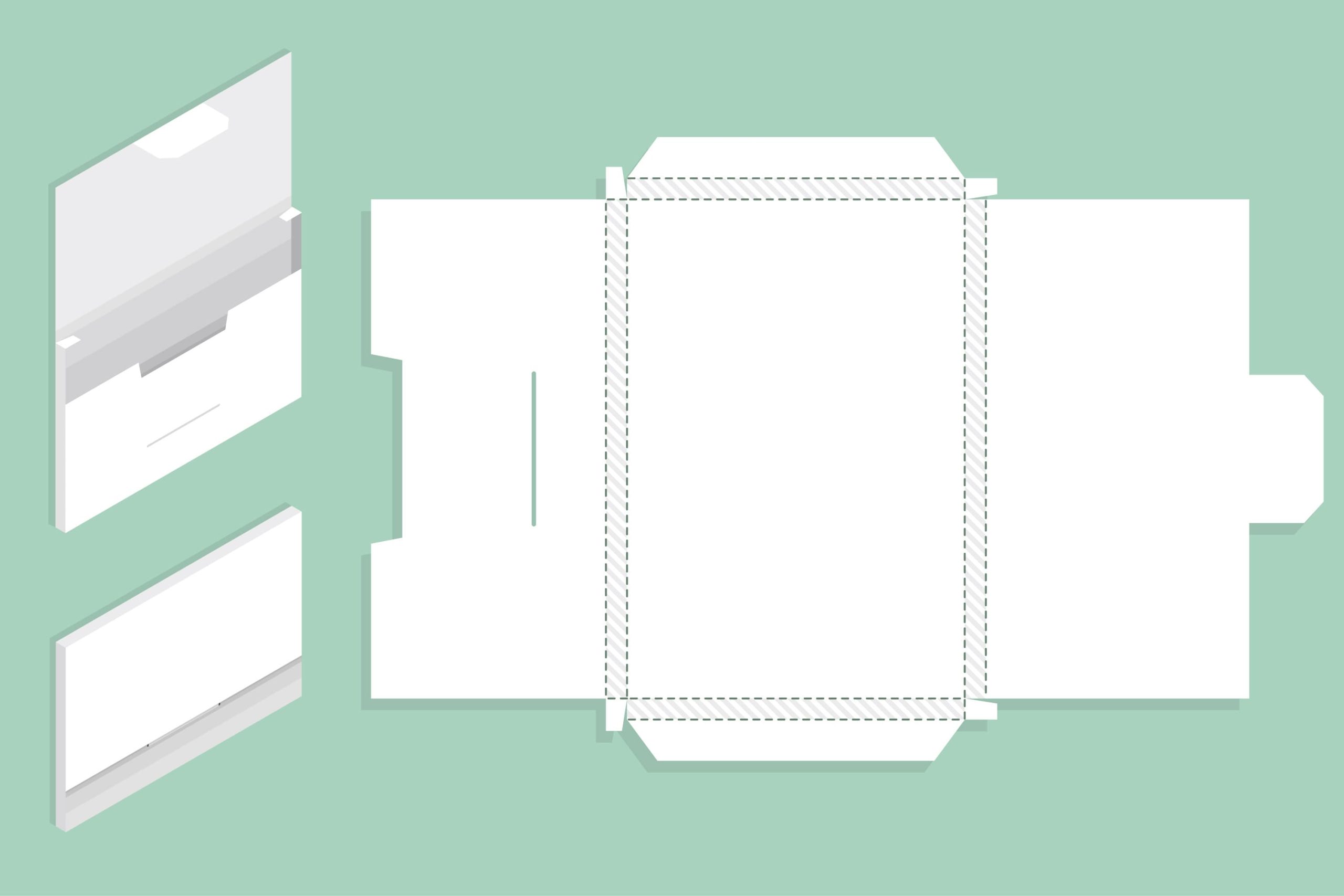
Die-cut products are integral to numerous industries. Here are some common applications:
Die-cut components such as gaskets, insulation, and seals are vital in the automotive manufacturing and maintenance of vehicles.
Gaskets, seals, and other die-cut parts are used in machinery, appliances, and manufacturing equipment.
Packaging materials, stickers, and custom labels are made efficiently through die cutting.
Die-cutting is used for adhesive bandages, transdermal patches, and other medical devices.
Insulation materials, conductive tapes, and components are created to meet the demands of electronic devices.
Businesses use die cutting to produce custom-shaped promotional items like business cards, brochures, and packaging that stand out.
When compared to alternatives like laser cutting, CNC cutting, and waterjet cutting, die cutting stands out for its cost-effectiveness in high-volume production. While laser and waterjet cutting offer unparalleled precision for intricate designs, they tend to be more expensive and slower for mass production.
Die cutting, on the other hand, balances precision, speed, and affordability, making it a top choice for industries that prioritize scalability and consistency.
Die cutting is an indispensable process that touches countless industries and applications. Its ability to handle diverse materials, provide precision, and produce scalable results has made it the go-to solution for manufacturing custom shapes and components.
Whether you’re in automotive, medical, or packaging industries, understanding the versatility and benefits of die cutting can help you make informed decisions about your production needs. If you’re looking for die-cut tapes and die-cut adhesives in Malaysia, don’t hesitate to reach out to us today!